After 25+ years in secondary education, I’ve lost count of how many times a student has told me a teacher was disrespectful only to describe some low-level expectation such as being told to put their phone away.
That exchange reveals something worth sitting with: we’ve confused respect with deference. When students (and adults) treat respect as a transaction meaning something earned, withheld, or demanded based on how someone treats us first, we end up in a constant emotional tug-of-war.
I operate from a different premise: I don’t need to know anything about a person to respect them. That’s not naivety but actually a position of strength. When my respect is grounded in my own values rather than someone else’s behavior, I’m not at the mercy of whoever walks through my door.
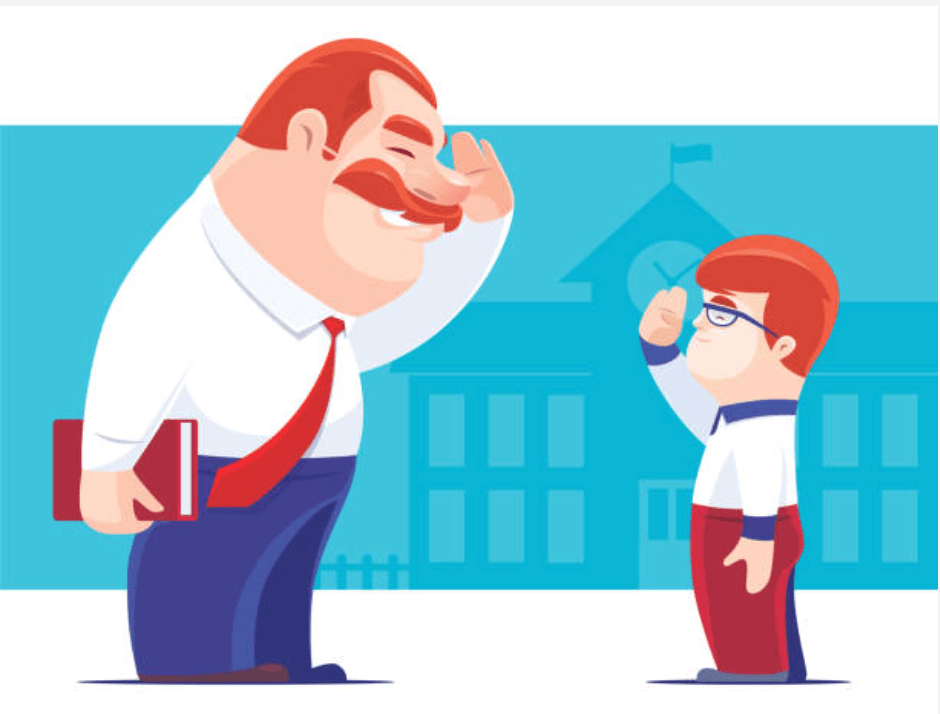
As an example in practice, I could address Greg (a student with a reputation that preceded him) without attacking who he was. When he pushed boundaries, I don’t say things like “You’re being disrespectful.” I said, “That behavior isn’t working for our classroom.” Small shift. Big difference. Over time, students who stop defending their worth can start improving their choices.
Scripture captures this well. 1 Peter 2:17 doesn’t say honor people who earn it but rather it says honor all people. The Golden Rule asks us to treat others as we want to be treated, not as they’ve treated us. That’s a higher standard, and a harder one.
The practical takeaway is straightforward: separate the person from the behavior, listen for the pain behind the pushback, and model what you want to see. Respect isn’t a feeling but instead, it’s a decision rooted in character.
The student who thought a teacher was disrespectful may have actually encountered something rare: an adult who held the line and held their dignity at the same time. That’s not disrespect. That’s the standard we should all be reaching for.
In 1989, Skid Row gave a generation of restless teenagers an anthem in Youth Gone Wild. A great song with a raw declaration from kids who felt dismissed, misunderstood, and already written off. The defiance we see in classrooms today is often the same thing: young people performing toughness because no one has shown them they don’t have to.
The answer with students isn’t to out-tough them. It’s to refuse to take the bait. We have to be the adult in the room who extends respect before it’s earned, holds boundaries without withdrawing dignity, and keeps showing up the same way regardless of what walks through the door. That’s not weakness. That’s exactly the kind of strength a young person is waiting for someone to model.


